Inclusive Cultures Blog – Creating Inclusive Creative Workplaces
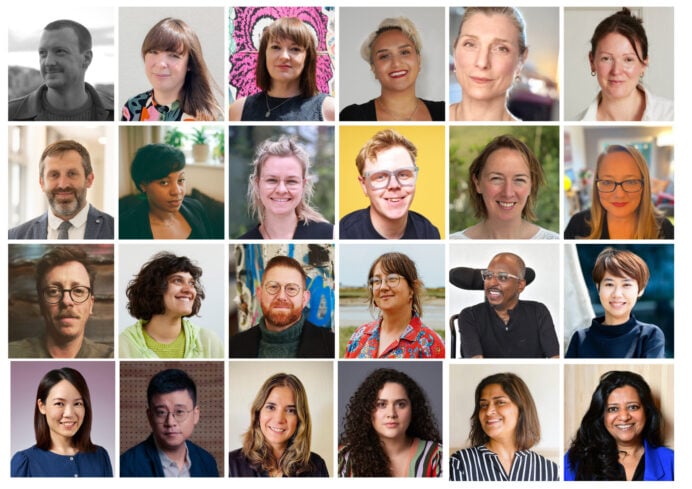
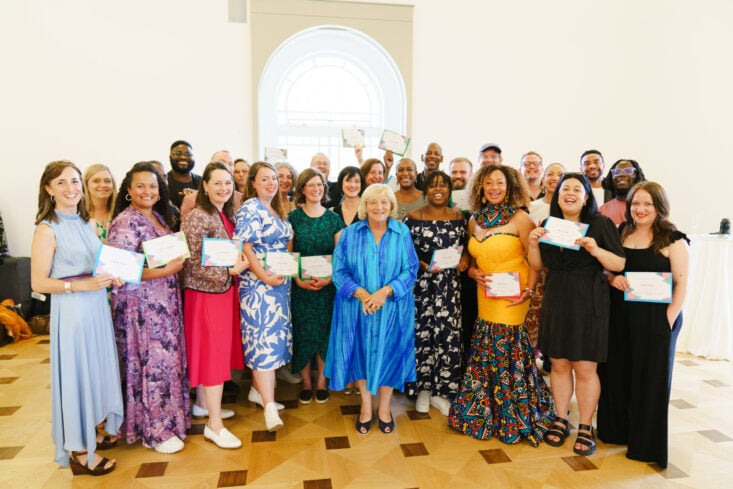
2024 Inclusive Cultures participant Rose Kigwana discusses inclusive workplaces and inclusive recruitment.
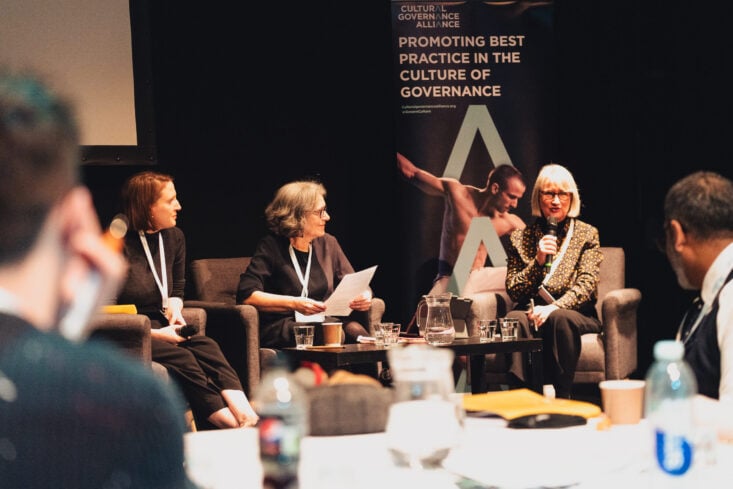
At a Brighton, Black Anti-Racism event last year, I heard Adam Joolia, CEO of Audio Active, talking on a panel and he said something that stuck with me:
White middle-class people get jobs because they have more experience. Because of systemic racism, Black and Brown people tend to have less experience, and will be in competition with their white peers who come with more skills and experience, they’ve had more opportunities and face fewer barriers. So inevitably, they get the jobs. If we employ people with lived experience, then we have a duty to allow them to grow and gain that experience and expect that their circumstances might cause some disruption.
Adam’s comments resonated with me. It hits at the heart of the issue I’ve seen and experienced over and over in my 30-year career in the arts and cultural sector: a well-meaning effort to be inclusive, but not enough attention paid to what comes before and after someone diverse is hired. How do we attract, support, nurture, and retain underrepresented people in this sector? How do we make sure the environment is right and safe for them to thrive?
The Same Old Story
I’ve spent most of my working life being the only, or one of very few, people of colour in the room at meetings and events. I’ve also experienced decades of being disabled through a long term health condition. At 50, I was appointed as the CEO of Creative Future, a small national arts charity that supports and amplifies the voice of underrepresented writers and artists. I’m proud of myself but it’s been a long, challenging and lonely journey and remains so.
About 4 years ago, I discovered I was neurodivergent and am still learning what that means for me. I now recognise many barriers and challenges I had faced, but not understood what was happening at the time, other than assuming I was at fault, or was stupid. One particularly disruptive challenge I have is that I’m not able to articulate fully what I think, so what comes out of my mouth or what I write will be a fraction of, and nowhere near as deep as, what is in my head. This has led to a deep fear of speaking in any formal setting. I sometimes struggle to even introduce myself in a meeting, and so I’ve somehow managed my career being mostly silent. It is only in the last few years I have gained any confidence in this area!
I’ve had support from a few people, and I’ve had a couple of lucky breaks. But mostly, it’s taken sheer persistence, tenacity, and hard graft to get here. I look around at others in similar roles, many of them white, non-disabled, middle-class and I see they’ve arrived at leadership or a similar place much younger than myself.
As a disabled, mixed heritage, neurodivergent woman, every day, I navigate multiple barriers just to show up and do my job, never mind thrive in it. Some days, the weight of it all makes me want to give up. But I don’t, because I know that forging a path matters, not just for me, but for those coming up after me. I want to support younger people like me to navigate this tricky terrain and push through the obstacles. I am also still figuring out how to do this and how to be my authentic self instead of trying to fit into the norm.
What’s Really Going On?
Let’s talk about the bigger picture. While inclusive recruitment is a good thing, it’s just a small part. Too often, arts charities focus on hiring a more diverse workforce, and presenting diverse artists in their programme, but don’t address the deeper systemic issues that affect who applies in the first place and who stays, or feels able to stay, once they’re in or their actual experience of working with the organisation.
Here’s a hard truth and my simplistic articulation on things: many people of colour (and this, in part, may apply to disabled and neurodivergent people too) are stuck in poverty cycles. Unlike their white, middle-class peers, they’re not, and have probably not, inherited generational and historical wealth, quite the opposite probably. It is harder for them to get jobs, so when the arts sector offers jobs at low pay levels, people from low-income backgrounds can’t afford to take them.
Until we address things like pay equity, access to professional development, and the everyday barriers underrepresented people face in the workplace, we’re going to keep seeing the same patterns. Organisations wonder why they don’t get more diverse applicants, or why it is hard to retain them, or why things become disrupted but then fail to see or address the bigger picture or the underlying reasons.
Inclusion Needs Infrastructure
I see a lot of white, non-disabled-led organisations trying to do the right thing. And I respect that. But it’s not just about posting a job ad with inclusive language, aesthetics, and accessible recruitment processes and interviews. True inclusion means doing the deep background work. It means rethinking your infrastructure, investing time and money into real change, and being honest about power, privilege and where it lies.
And then there’s the art itself. The arts are predominately shaped by a white, non-disabled leadership and workforce. I’ve been to and worked on countless events and performances that just don’t speak to me. I left a steel pan band I co-founded 12 years ago, because it ended up being too culturally white. The music we played didn’t reflect the Black / Caribbean culture and history I was initially hoping to connect with, because the majority of the band members were white and their collective voice influenced the decision‑making. With my previous jobs, it has been a similar story. I alone in predominantly white organisations have struggled to influence or affect any real change despite trying.
Diverse audiences won’t engage so readily with work that wasn’t made for or by them. Yet programming and curation still happen mostly through a white, middle‑class lens. That needs to change, not just to tick a box, but because it will make the work better, richer, more relevant. It is obvious and simple, but it is still the case.
Let’s Be Brave
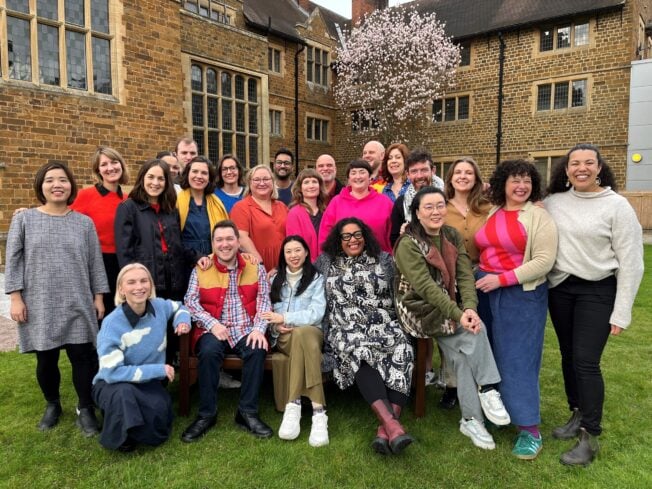
If we truly want to build an inclusive sector, we have to stop treating diversity as a problem to be solved and start seeing it as a strength to be nurtured. That means hiring differently, yes, but also supporting differently. It means being more flexible, allowing more time, being ready and ok with disruption, and valuing lived experience as much, maybe more than qualifications on paper. It means not expecting people to fit into a predetermined mould or way of being. Also important is investing in those staff and artists and offering them additional support like mentoring and coaching. Taking part in the Inclusive Cultures programme, and the steps it inspired me to take afterwards, helped me see things much more clearly.
We can’t fix everything overnight. But we can start by being braver, more honest, and more open to uncomfortable truths. Inclusion isn’t just about who enters through the door, it’s about whether they feel they belong, are respected, and are heard once they’re in. Acknowledging that their journey and experience is going to be more challenging and traumatic than their white, non‑disabled, middle‑class, neurotypical colleagues and respecting, therefore, how much more work, capacity and energy that takes and taking care of their wellbeing.
Author Bio
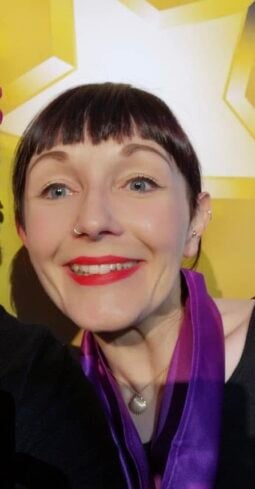
Rose Kigwana (she/her) is the Chief Executive Officer at Creative Future. She has a wealth of experience in placemaking, creative producing, fundraising, and artistic programming. A practising artist and designer throughout her career, Rose now focuses on making the cultural sector more inclusive and representative supporting underrepresented artists and communities to thrive, and influencing positive change. She is part of the Anti‑Racism Creative Collective, a working group of the Brighton & Hove Culture Alliance, and recently completed the Clore Leadership Inclusive Cultures Programme after becoming a Clore Leader in 2022. In her spare time, Rose makes creations using African textiles and enjoys artistic swimming.