Inclusive Cultures Blog – Chatting for Change – The Power of Conversation to Challenge the Narrative of Ableism.
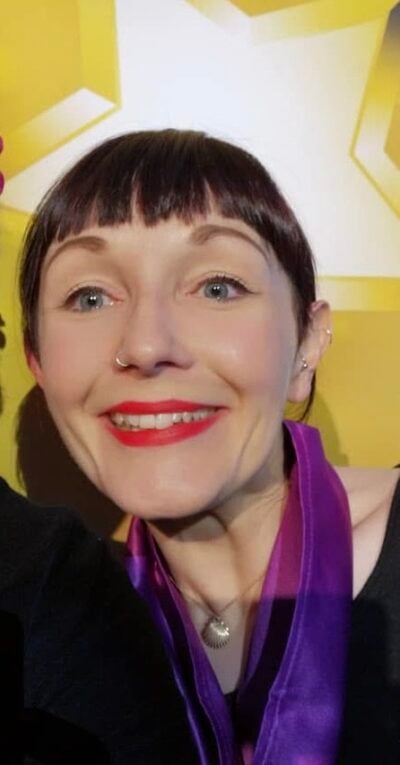
2024 Inclusive Cultures participant and Finance & Programme Officer at Open Arts, Jemma Robinson highlights the power of conversation in her blog.
According to Google the meaning of ableism is “the discrimination of and social
prejudice against people with disabilities based on the belief that typical abilities are
superior. At its heart, ableism is rooted in the assumption that disabled people require
‘fixing’ and defines people by their disability.”
Working for an arts and disability organisation I recognise the cultural sector is a
powerful way to confront stereotypes, misconceptions, and discriminatory attitudes
towards disabled people. For example Nabil Shaban the disabled actor and activist
created the theatre company Graeae for disabled actors, writers, and directors as a
platform to provide opportunities otherwise not open to disabled people and challenge
societies perception of disabled creatives.
This got me thinking, as someone who manages a programme delivering high quality
activities and events across a range of art forms for disabled people, what approaches
do Open Arts take to confront the narrative of ableism and the archaic attitude of
disability and disabled people in Northern Ireland?
One of the ways we do this is through our “Chatting for Change” programme. Based on
the concept of a living library you borrow a person instead of a book and engage in a
conversation with individuals from marginalised societies. Our books have various
disabilities or support those with disabilities and by providing a safe and supportive
space can use their lived experiences and voices positively to reframe societies
understanding of disability, promote inclusive language & communication and dispel
myths and stereotypes.
The aim of the programme is to connect with local businesses who want to make their
workplace more accessible. By using the living library approach we put a face and a
story to disability, thus creating a more impactful and nuanced understanding of
disability and accessibility. Featuring disabled people brings awareness to obstacles
that may not be obvious to others, such as physical barriers, digital accessibility,
interview formats that disadvantage certain groups, or communication challenges.
Feedback has been positive as per the comments from Gillian Hughes at the Co-Ownership:
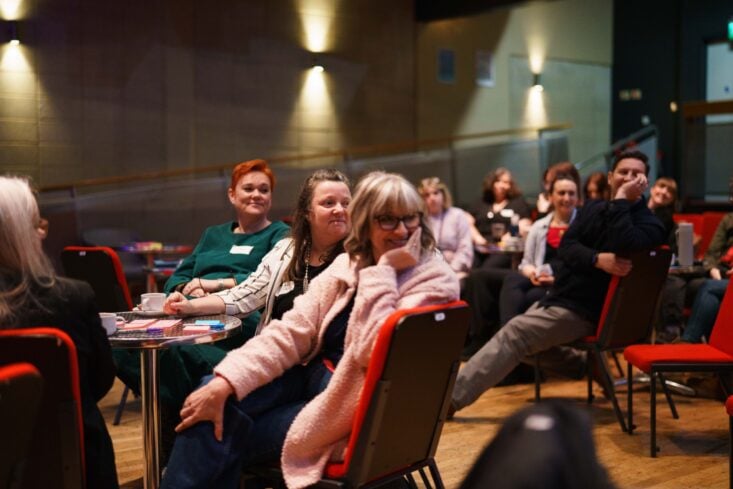
We were delighted to welcome Open Arts and their fantastic participants to our offices to facilitate a Living Library event for our staff. We wanted to raise awareness in our team of the challenges faced by disabled people. The event more than met expectations and was a perfect way to challenge some of the misconceptions and stereotypes that might have existed. It was wonderful to see and hear the office filled with fun and laughter at this event, which was thoroughly enjoyed by all who attended. As well as a fun way to dispel some myths, there were some really powerful messages that we took away from this event and we will use these to further develop and improve our services to all members of the public. I can highly recommend this event as a way to raise awareness of disability and the need for inclusive services.
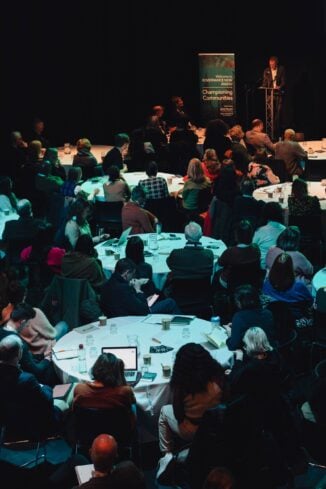
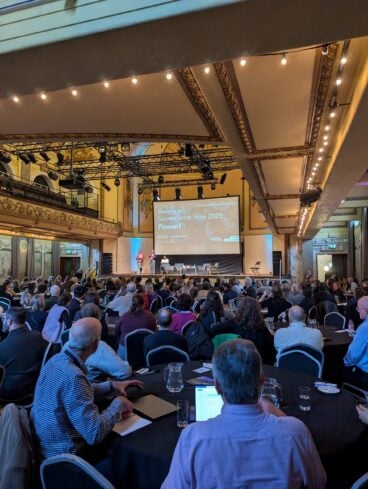
Having the opportunity to share this advocacy work and learning with leaders from the
across the UK on the Inclusive Cultures Programme has been beneficial. The
programme has provided me with a wealth of great resources, but the most importantly
the connections I have made will be a valuable network of support for the future.
I would like to finish with a quote from the botanist and author Robin Wall.
Kimmerer:
“Imagine the access we would have to different perspectives, the things we might see through other eyes, the wisdom that surrounds us. We don’t have to figure out everything by ourselves: there are intelligences other than our own, teachers all around us. Imagine how much less lonely the world would be.”