Act locally, share globally: building England’s international hub for artists who create, connect and teach
With renewed attention on arts education and enrichment, the workforce behind it remains under-recognised and under-supported. Saphena Aziz, Director of Inclusion and Workforce Development at arts education charity Curious Minds, argues that plans to strengthen arts education require greater recognition and investment in teaching artistry.
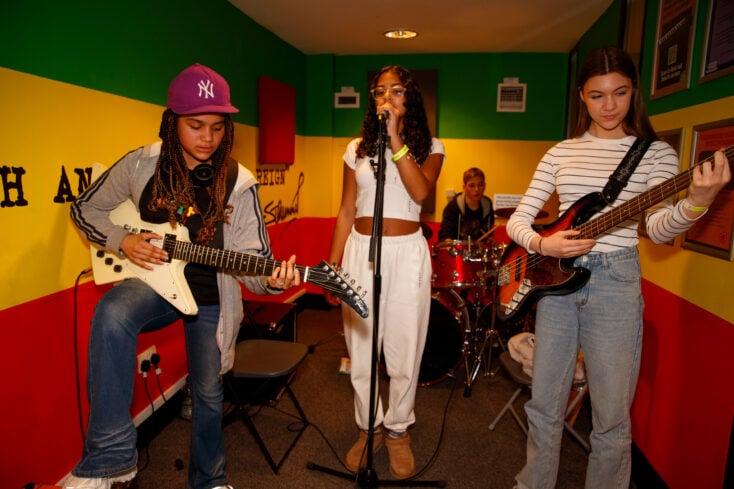
England has a cultural education workforce that is vital, skilled, quietly extraordinary and still widely under-recognised. I know it from the inside: I’ve worked in this field for over 30 years. Internationally, you will hear terms such as Teaching Artist, Artist Educator or Creative Educator. These are the professional artists who create, connect and teach across schools, cultural organisations and communities, and increasingly in health and care settings. In England, the practice is everywhere, but it is often valued rhetorically and undervalued in practice. If we are serious about cultural education, skills and the talent pipeline, it’s time to get serious about the people who deliver so much of it.
Now feels like the moment to do that. With renewed attention on arts education, a curriculum review, and new national priorities for young people, cultural leaders have a real chance to use this window as a springboard for positive change and invest in this workforce. The Curriculum and Assessment Review is clear that removing EBacc headline measures should create more space for a broader, more balanced curriculum. It also places greater emphasis on the skills young people need now, including oracy, communication and confidence. At the same time, the National Youth Strategy speaks directly about putting creativity back at the heart of young people’s lives and increasing access to enrichment in communities across the country, including through Arts Everywhere.
Access to sustained, high-quality creative learning and enrichment matters, and Teaching Artists are a crucial part of that ecosystem, bringing artistic excellence, cultural diversity and real-world practice into the spaces where young people learn.

Being a Teaching Artist should be a distinct and valued strand of a professional artistic career. Not a fallback, but an intrinsic, unapologetic part of an artist’s portfolio and a credible pathway in its own right. Teaching artistry demands artistic rigour, yes, but also the ability to translate that rigour into highly skilled facilitation, learning and participation, with a serious understanding of safeguarding and duty of care. If schools and communities are being asked to develop capabilities such as oracy, communication, confidence, collaboration and creativity, then we should invest in the workforce that can help deliver them well.
If you lead a cultural organisation and want to strengthen this workforce, one of the most practical contributions you can make is to invest in ongoing professional development for people already in the work and those entering it. Too often, Teaching Artists are expected to arrive fully formed, with no shared responsibility across the cultural ecosystem for training, mentoring, induction and paid time to learn. We can do better than that.
This is exactly what the ITAC England Hub is being built to support. Curious Minds is developing the Hub as the England home for the International Teaching Artists Collaborative (ITAC), alongside established ITAC Hubs in Norway, South Korea and the United States, and connected into ITAC’s wider global network of practitioners and partners including proposed new hubs in China and Latin America.

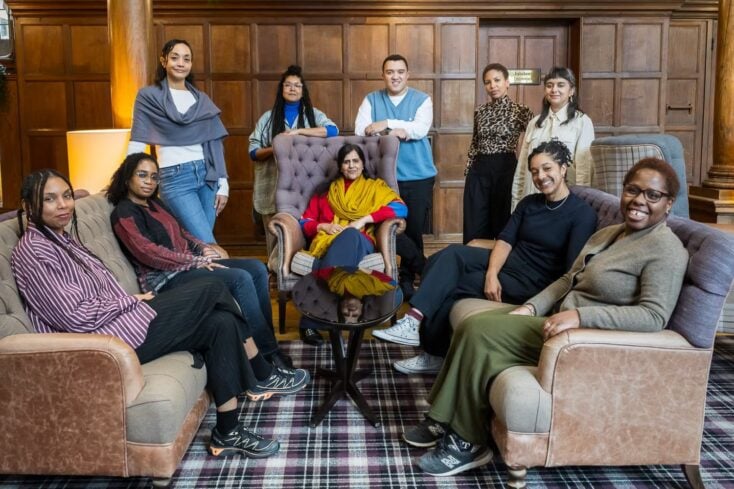
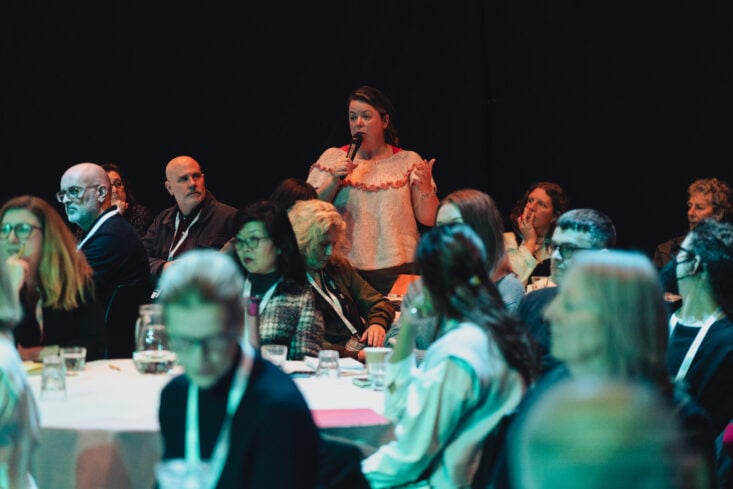
ITAC and The Hubs exist to support, expand and connect the international community of Teaching Artists and collaborators, cultivate excellence in teaching artistry, and advocate for sustainable development in participatory practice. Curious Minds wants to connect England’s Teaching Artists nationally and internationally to help make this workforce more visible, more skilled and better supported as part of England’s wider cultural education and workforce development landscape. This includes the creation of a nationally representative advisory group, hosting hybrid convenings and practical peer exchanges that widen access to international networks and practice and curating a digital home for resources.
We are at the beginning of this journey and cannot do it alone.
If you are a cultural leader, trustee, funder, commissioner, university or civic partner, or a teacher or educator who works with this workforce, I would love to hear from you about how we might build this together.
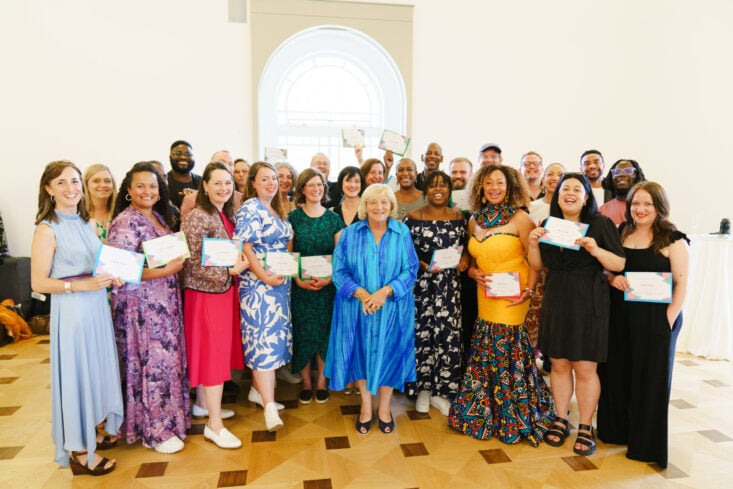
As part of this wider commitment to valuing the workforce, Curious Minds will host the National Arts and Cultural Education Awards on 21 October at the Royal Northern College of Music in Manchester. The Awards shine a light on best practice and innovation in creative and cultural learning wherever it is happening across the UK. If you know an individual or organisation whose work exemplifies excellence in teaching artistry and cultural education, please nominate them and join us in celebrating the people who are breaking down barriers to engagement and improving young lives.
Discover more
- Curious Minds: The National Arts and Cultural Education Awards: https://curiousminds.org.uk/nace-awards-9cq5
- Curious Minds: ITAC England Hub: https://curiousminds.org.uk/itac-england-x5l6
- ITAC: https://itac-collaborative.com/
- ITAC Hubs: https://itac-collaborative.com/hubs/
Themes Sector Insights