ReWilding Arts Leadership
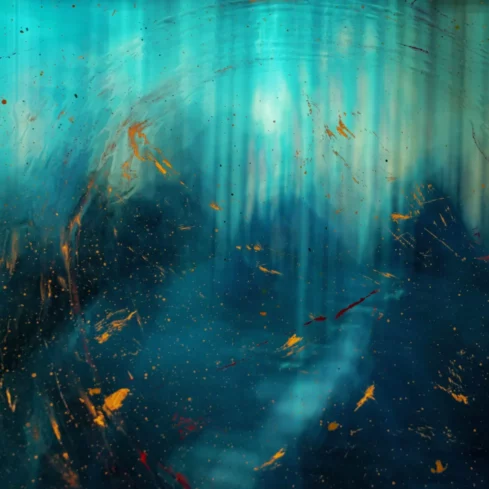
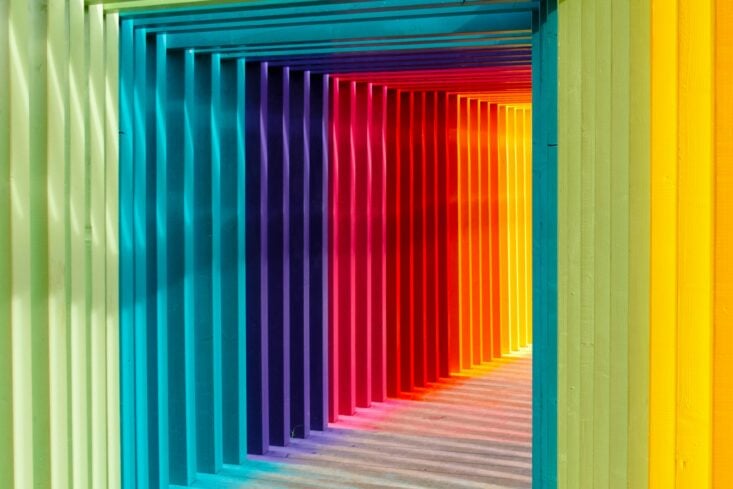
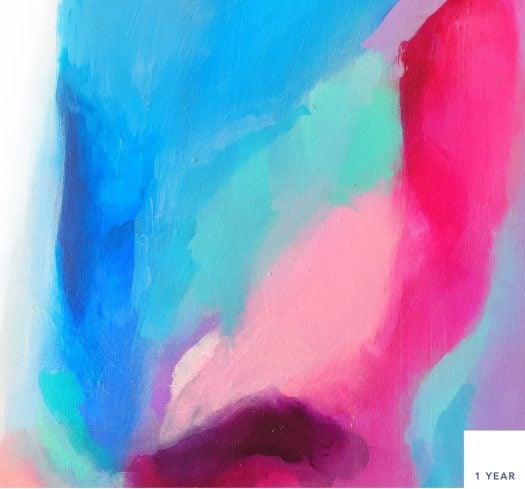
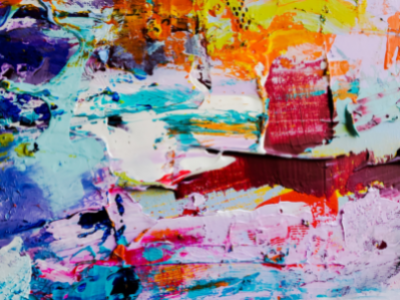
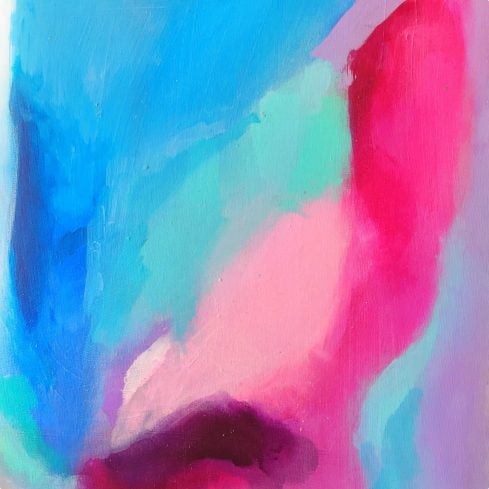
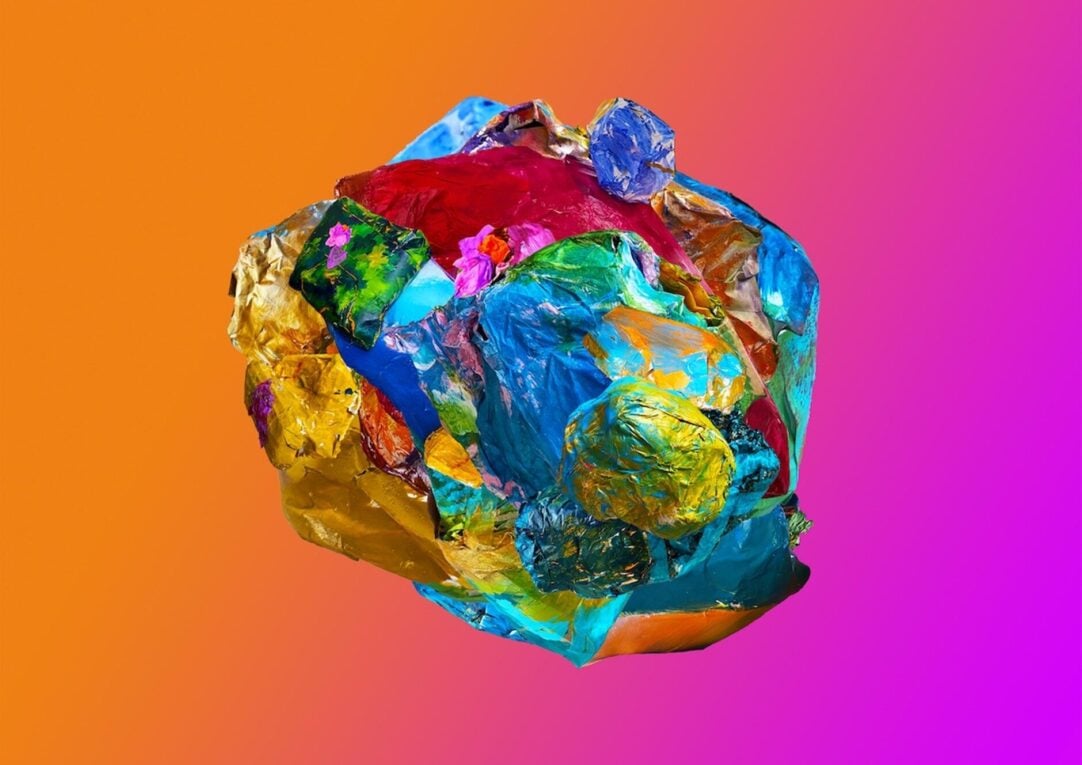
Image credit: Liwyow a Gernow (Colours of Cornwall), 2023, Sovay Berriman
2023 Clore Fellow Sovay Berriman explores how burnout, artistic momentum and decades of independent practice converged to spark her call for a ReWilding of arts leadership. In this provocation, she asks what might be possible if the sector embraced the values of art itself as foundations for structural change.
Tired right now
My good friend, artist Kat Anderson[1], told me to apply to the Clore Fellowship while I was hot.
In January 2023, I felt more tired than hot. I was writing up the final reports of the first year of my project, MESKLA | Brewyon Drudh (Mussel Gathering | Precious Fragments), a multi-disciplinary artwork looking at contemporary Kernewek (Cornish) cultural identity, its relationship to extraction industries such as mining and tourism, and thereby its relationship with colonialism. What I really wanted in January 2023 was a lot of rest.
But, I thought, Kat might have a point,I was, sort of, hot.
MESKLA had clicked, sparking imagination and a new way of talking and thinking about Kernewek identity. I was having an impact through art making – winner!
More than 20 years of independent art working have trained me well in an understanding of cultural value, the energy of momentum, and of the predictability of waning attention spans. I’m well-versed at finding pragmatic and practical ways to sustain myself fiscally, and to retain some energy (just about) to keep practising. To keep contributing and engaging in sensory dialogues of imagination that pay attention, critique systems and tell stories that intend on changing the world.
I know it can be beneficial to keep going, to strike while things are, hot. So I did.
The Clore Fellowship (in my cohort) came with a £10k bursary, a £3.5k development budget, a coaching package, a training programme, a secondment, and a team to share the journey with. Clore asks for commitment and comes with provocations: “How do you want to change the arts and culture sector?” “How do you want to change yourself?”
£10k is appealing to an artist from a low-income background and a life of below-minimum wage earning, and I’m eager for change, so I applied. My provocation to the arts and culture sector[2] remains now what it was in January 2023: that its policy, governance and executive strategies and processes could/should be more connected to, in-line with and allied to art, and the processes of making art.
“Eh?”
I want the arts and culture sector, the art world and the creative industries, to embody the arts themselves.
“But don’t they already?”
No, they don’t.
Right now they embody business, and business (even art business) has a different set of behaviours and characteristics to art and art making.
I make this provocation as an independent artist with more than 20 years of professional practice. Throughout my work, I have been active with organisations and artist-led activity, mentoring, supporting situations for artists to develop work and projects, creating and making with the language and methods of art practises at the fore.
Even so, I have experienced first hand how difficult it can be for art and artists to have influence within the sector, and to encourage those with power to make sustained structural change – and where they do to be credited and remunerated appropriately.
The lack of financial parity between salaried[3] and independent arts workers contributes to the difficulty of this power balance, as it leads to unequal levels of energy, confidence and agency. The different methods and modes of communication within the languages of art-making and of art administration also impacts here, as do the embedded and somewhat opaque power structures of these territories.
I am driven to ask if a shift to using the communicating, thinking and problem-solving behaviours and means commonly found in art-making within arts leadership would create a situation of greater balance in energy, agency and influence, and therefore a more egalitarian sector?
What is art?
In seeking to identify the characteristics of art and art-making I reference my own art practise and that of my artist peers and colleagues, both those known to me personally and those who I encounter critically, through their artwork, research and publications.
I recall my own art education, and the core content and learning that I sought to deliver and facilitate when teaching in arts education myself[4].
I consider the processes of experimentation, repetition and reflection when feeling one’s way with new methods and media; how relationships with materials and tools are developed; and the process of absorption through time, guidance and learning.
Central to all of these references are play, trust and supportive systems of encouragement and inter-experiential story-sharing that give the space required to foster the growth of confidence and courage.
The rubbish sculpture and conversation workshops[5] I developed for MESKLA | Brewyon Drudh, and also used during my secondment at National Theatre Scotland, are designed with these principles in mind. The workshops invite everyone into a space where found and reclaimed materials are used for art-making while the conversation meanders through subjects both frivolous and sincere.
The workshops are unhurried, the predetermined outcome is only to take part – in making, talking, thinking, or simply being present, and processing. Through talking whilst making, participants are given an opportunity to access different modes of thinking, the found materials inspire and challenge as does the conversation, creating a generative and nourishing space that accommodates different modes of articulation. Barriers and preconceptions are broken down, and art space becomes accessible, inclusive, and egalitarian.
Imagine what our arts and culture sector would be like if trust, play, sharing and working at a more measured pace were the standard principles?
How is it now?
Arts and culture are often expected to FLASH, SPARKLE and BANG with the focus on delivery of exciting, dynamic creativity for all to enjoy. Whilst fabulous and joyous, these expectations, that abound within the sector and that are compounded by the high competition for grants and funding,
take
their
toll.
As an artist, I have experienced first hand how much this expectation to be ‘on’ at all times demands from workers within the sector. But we can’t have the moments of dynamism and excitement without the more generative, quieter times, without time to process, reflect, test, play and rest.
Rest. I fantasise about rest. I want rest that isn’t read as giving up or not being interested, or not being resilient. I want rest that is genuinely understood as part of the natural cycle of work and life. And I want rest that doesn’t jeopardise living, housing and security for my future self[6].
How can the sector demonstrate that it genuinely understands down-time as part of the whole process of art, art making, working, showing, living…?
By changing its structures to accommodate the variation and flexibility of pace we all need. Imagine an art world that unlearns tired and restrictive understandings of growth, productivity and control.
An art world that unlearns hierarchical structures of what power looks like.
That embraces flexibility and sensitivity.
That takes time to notice.
That knows we can’t even see the bounds of what we don’t know, and trusts that knowing of not knowing.
That has courage in change, in doing things differently, and in the power of handing over power.
ReWilding
From this imagining, I have grown my provocation of ReWilding Arts Leadership.
ReWilding, because it is definitely hot right now, and conjures positive feel-good possibilities; and because acknowledging that we are part of larger systems, both ecological and social, is essential in all that we do.
My provocation asks if ReWilding our sector by bringing art and artists into the decision-making space would regain an embodied connection to art and art making, and centre climate catastrophe and social justice priorities in our policy, strategy and governance?
My provocation proposes using the concept of ReWilding as an approach to systemic ecological re-balancing, to create pathways and situations for art and people to connect and thrive. To increase the pace of equitability, diversity and inclusion across grass-roots, freelance and organisational activity.
I do not want to explicitly define or frame what a ReWilded approach would look like; to begin to describe that would be to close down the very possibilities the provocation offers. But I will highlight and suggest methods and approaches. I envision that it would mean bringing more of the characteristics of play, trust, care and time into our working behaviours. That it would require us to make space for a variety of methods and means of discussion and decision making, to welcome the varied expression and articulation that is inherent to humans.
Perhaps an approach of ReWilding would help us to notice more keenly where our work might be upholding practices that are in conflict with the values we proclaim?
Tending to change
These changes in our approach to work will require preparation, attention, care and time.
Taking time doesn’t feel dynamic, it doesn’t deliver quick presentable dopamine impacts for the sugar-crazed palates and TikTok’d eyes of the sector or public. Slow change can feel risky in our existing competitive scarcity model. It can feel out of step, unfamiliar – a sit-down afternoon tea rather than a takeaway double-shot latte.
When resources are limited and situations precarious it can feel too hard to give the preparation, attention, care and time required to ensure change can work/be/happen in a way that is aligned with intention.
Change is both gradual and dynamic, there is the phase leading up to the change, a moment of change or realisation of change, and the phase of bedding in on change. And change is constant, so shifts such as these are continual and over-lapping, interconnecting and co-occurring. This directed change will require attention, care and tending.
There is a danger that being attentive to change means no rest. In a ReWilded sector, rest will be written into the way we work, because we know we will need it, and that being rested is an essential aspect of being able to be attentive, and to manage our capacity. By capacity I am not only talking about how much we do, but what and how we do things. A ReWilded approach to arts leadership and governance would create capacity. We can embed change at the decision-making level, giving time for it to find its way through organisations and networks via working relationships and neighbourly proximity.
Propositions and invitations
I have considered methods that might work within organisational situations to create the capacity needed to encourage imaginative prosperity and begin processes of ReWilding. I invite you to visualise how these situations or changes might work for you, to test them and share your feedback, developments and learnings.
- Evaluation embedded as part of the ‘life cycle’ of any body of work, to not only understand quantifiable data and impact, but for genuine ongoing capacity management and awareness, with staff and project workers as well as audiences. This could involve for instance regular moments of creative conversation, story gathering and sharing.
- Access riders requested as standard – to normalise the request for and accommodation of ‘reasonable adjustments’ and remove the ‘othering’ that is often experienced when asking for what you need.
- Diversity monitoring forms which focus upon data capture of the experience of privilege rather than experience of oppression.
- Cultural competency[7] roles in place for all projects, because we don’t know what we don’t know.
- Ethical/cultural care-takers as an exec level role, responsible for broader cultural, socio-political and beyond human advocacy (important that this role wouldn’t abdicate the rest of a team of personal responsibility to these areas that are essential for us all as contemporary humans).
- A seat for art, as well as for the planet, on boards to give autonomy in representation to these entities at decision making level[8].
- A menu of meeting methods and structures to suit nature of meetings and their aims, to bring about greater equity within teams, and promote agility in thinking and decision making – with reference to Jack Tan’s Policy Performance Score work with Scottish Sculpture Workshop[9], Lois Weaver’s The Long Table[10], Action Learning[11] and Doughnut Economics[12].
Conclusion
At a time of climate crisis and limited resources, a time of growing societal inequality, when practices of care are being called for, we need a rebalancing of power, and access to power, that is supple, responsive, reflective and in-tune with the natural cycles of our lives.
Using a methodology that comes from the land we walk and live on, even eat from, feels congruent with the change we need to make.
I look forward to the unkempt and permeable borders of our future, to ceilings shattered and gates unlatched, their keepers given opportunity to rest and recuperate. For wild grasses to seed and moths to gather, and the coconut scent of golden Furze flowers to permeate the esoteric lands of arts and culture.
References:
[1] https://katandersonart.co.uk/
[2] Even though the notion of a sector at all is troubling and entwined with capitalist tropes and behaviours, I use it here to identify the arts and culture working world that Arts Council England and Creative Scotland might fund.
[3] https://www.statista.com/statistics/416122/full-time-annual-salary-in-the-uk-by-sector/
[4] Just to be clear, formal arts education in my view is not the perfect model of art, of how to make art, or of the nature of art, but it’s an accessible starter reference point that has been peer reviewed and assessed to some extent.
[5] https://sovayberriman.co.uk/MESKLA-Brewyon-Drudh
[6] https://axisweb.org/knowledge-base/aberdeen-summit
[7] I was introduced to this role by Ayo Schwartz, Head of Human Resources at National Theatre Scotland
[8] https://greenallianceblog.org.uk/2022/09/22/giving-nature-a-seat-on-the-board-is-a-powerful-way-to-make-sure-businesses-protect-our-environment/
[9] https://www.ssw.org.uk/bepart-devising-governance/
[10] https://en.wikipedia.org/wiki/Long_Table#:~:text=Participants%20are%20not%20allowed%20to
[11] https://www.actionlearningcentre.com/about-action-learning
[12] https://doughnuteconomics.org/about-doughnut-economics
Further references:
https://darkmatter-labs.medium.com
https://goldsmithscca.art/publication/elizabeth-price-and-nina-wakeford
https://www.deveron-projects.com/home
With huge thanks to Paul Fitzpatrick of https://www.nationaltheatrescotland.com/, and everyone who met with me to contribute to my research and learning during my Clore Fellowship.
About the author
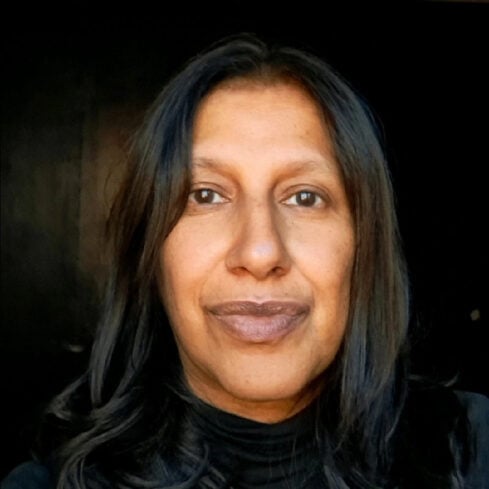
Sovay Berriman (Visual Art Clore Fellow 23/24)
Lives/works Falmouth/Redruth, Cornwall.
Sovay Berriman uses her practice as a structure and prompt for action and discussion, and is committed to questioning balances of power. Sovay is excited by the possibility of the collective, supple and subtle boundaries, edges and moments of change. Evolution, domestic and industrial use of the natural environment, alongside performance platforms and dance floors, inform the abstract and semi-fantastical sculptural structures and events they build. The artworks Sovay creates manifest out of multiple elements; through installation, text/audio, moving image, drawing and sculpture, fragments work together to create a whole, supportive structure and shared story.
Sovay’s work is rooted in their experience of being Cornish, Neurodivirgent, and from a Queer and low socio-economic background – the grounding and mutable aspects of these identities, and the emotions and politics of a sense of place.
In 2015 Sovay trained as a plumbing and heating engineer and works in the construction industry alongside their art activity with a commitment to helping homes transition to low carbon heating. Their experiences in this line of work have developed the critical socio-economic and political aspects of their practice, particularly in relation to environment, care and the labour of making.
Sovay has exhibited and worked with organisations and galleries such as the Counterpoints Arts, Creative Kernow, ArtNight, Hospital Rooms, Visual Art South West, National Trust, Tate, Spike Island, MIRROR, Pi-ArtWorks – London/Istanbul, and Robin Gibson – Sydney.
You can read Sovay’s further thoughts on ReWilding here – https://sovayberriman.co.uk/ReWilding-Arts-Leadership
Or listen to her talk about ReWilding on the MIAAW podcast here – https://miaaw.net/1334/kernowek-management-rewilding/