Resetting and Resting in times of burnout – a leadership insight
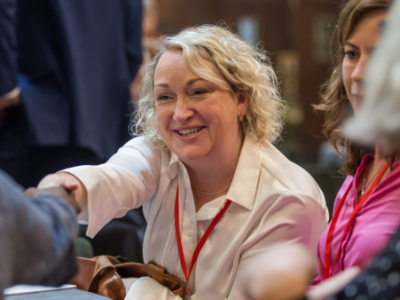
2023 Clore Fellow Liliane Rebelo explores over 15 years of cultural sector experience shaped by international collaboration, social impact and cultural diplomacy. As Executive Director of Culture and Society at Cultura Inglesa, she leads strategic cultural initiatives and the largest UK-focused festival in Latin America.
If you’re making change for rest, give yourself credit – lots of people don’t change when something’s not working, just keep crashing into the same wall
Radical Rest network
Introduction
This article is a deep reflection on my Clore journey, and an investigation into my own resources identified and activated in times of uncertainty and pressure. I explored all the threats and challenges faced in the past few years in relation to burnout, and considered how this related to the cultural sector.
Lots has emerged post-pandemic in relation to wellbeing and how this has affected leadership. Even before COVID-19, motivational discourse and an excess of positivity were having serious consequences – something that the South Korean author Byung-Chul Has calls “The Burnout Society”. According to Han, in his book of the same name, “multitasking does not represent any civilizational progress, but a setback, since it consists of a habitual attitude of animals in the wild, which are reported to pay attention to different aspects at the same time to maintain their survival, as happens with those who, when eating, have to pay attention to what is happening around them so as not to have their food taken or become food due to lack of attention” (p. 31).
The challenges of the past years and the advance of a wild capitalism have accelerated society into a productivity model with multiple effects on our health and our choices.
The impact of the pandemic on the cultural ecology was unprecedented, and has created layers of hidden traumas for many. Some people were forced to stop working entirely, while others kept working without the proper conditions, feeling bruised and exhausted. Some managed to change jobs or even life styles, making tough decisions while others felt paralyzed, sick and unconfident about the future.
Lower incomes, financial instability for freelancers, funding stream’s bureaucracy generating more workload and pressure, fear, impostor syndrome, burnout, exhaustion and guilt are just a few things that have come up in many reports, studies, interviews and testimonials from people working in the arts and culture sector.
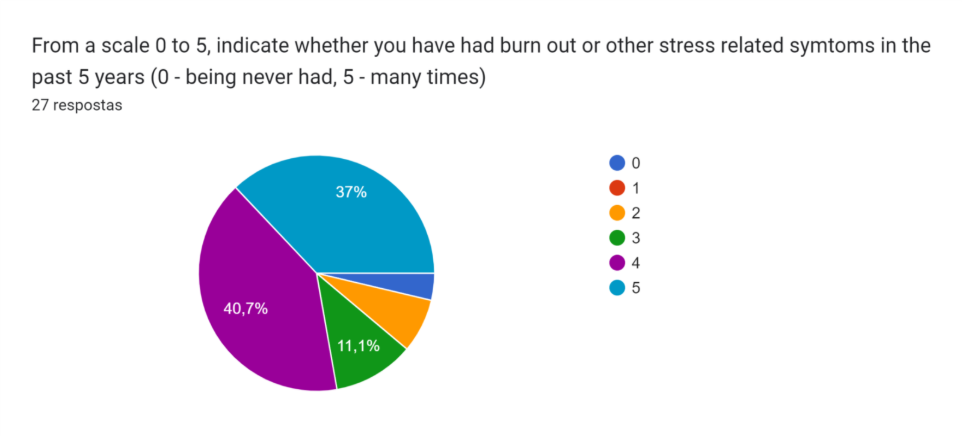
In a short survey of 27 respondents from the cultural sector that I conducted in May 2024, many had experienced burnout or gone through some kind of stress. The main triggers for burnout and stress were: lack of staff and shrinking teams in organisations (81.5%), unachievable workload (77.8%), financial insecurity (74.1%), unrealistic expectations from the sector (74.1%), lack of acknowledgement and support from leadership (63%), and bullying, power abuse and moral harassment (66.7%).
Many different pressures and fewer resources required leaders to make tough and quick decisions, prioritising care for others and shifting attention away from themselves. Leaders have a huge responsibility to look after themselves better, to inspire team members, organisations and models of working, and to work towards a better, healthier ecology.
A leadership model able to tackle those issues has never been more important. But is individual action enough? Or do we need a major and radical shift in the structures and systems of organisations and funding bodies? How can we make that happen?
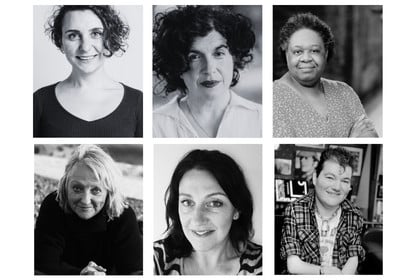
Kate Oliver is a UK cultural leader and co-founder of the Radical Rest network, a collective created in response to the growing exhaustion in the cultural sector. She says that radical changes need to happen, with systemic cultural shifts, where rest is allowed or perhaps even mandatory.
A systemic change is needed
While we need to push individuals and leaders to develop a caring approach to themselves and others, systemic and structured change is also needed. There’s enough data about the lack of focus on wellbeing from the sector, and evidence of how worrying the situation is in regards to mental health in the arts and culture.
Creativity and confidence are being knocked out, and artists are facing having to leave the arts in order to survive and achieve financial stability in the future. Employed staff find it uncomfortable to sit with the idea that the organisation they work for is taking advantage of their work.
What’s the role of organisations in tackling this issue?
Major and mid-scale organisations can serve as role models, introducing new practices and policies that value and focus on employee wellbeing, reframing the importance of and the right to rest. It could be interesting for organisations to establish methodologies in which rest is planned for and accounted for, as deliverables are.
I was highly inspired by my time working with 64 Million Artists – and what most struck me was their focus on wellbeing. Jo Hunter, founder and director of 64 Million Artists, describes her journey “from overwork and burnout to creating an organisational culture where people put themselves first”. This small social enterprise has been championing a human-centred culture for their staff and the communities they reach, with a four-day working week and by taking the whole of August off.
Guilt for resting
With capitalism as the presiding system, working on projects back to back has become normal. Increasing levels of pressure and a very competitive marketplace mean people find it hard to say no, and end up overcommitting themselves.
Moreover, the cultural sector has specific characteristics that increase the feeling that we need to do more and more. The vocational element serves as a trap – a relentless cycle of work because we care about what we do and want to make a difference. The idea of rest has become a guilty luxury.
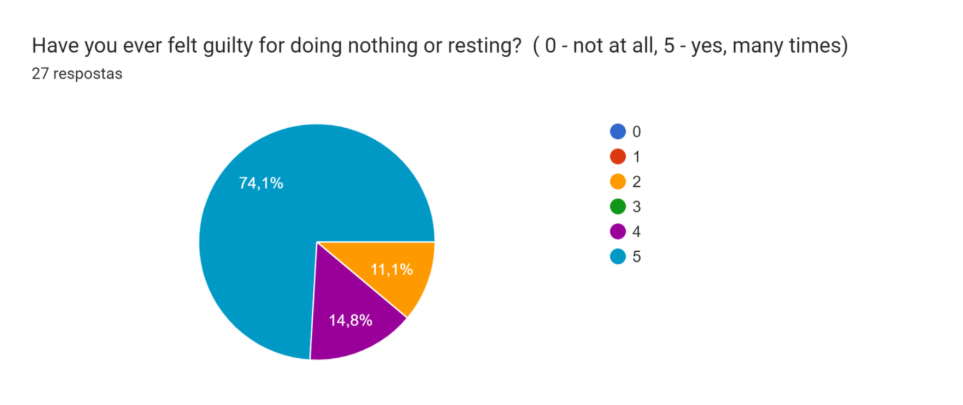
Research conducted by the Radical Rest Network reveals that 75% of people in the sector were not getting enough rest and another 10 to 15% were only sometimes getting enough rest. I found similar results in my survey with cultural leaders. In the arena of productivity, the value of arts and culture can be perceived quite differently from other sectors, and that leads to situations where we feel we need to work more or justify our work, or we fear losing a job for not working hard enough.
It is quite common to hear “it must be so cool to work in the cultural sector.” This can make us feel that it is ok to work more and earn less than other sectors, that our work is a kind of perceived luxury.[Text Wrapping Break]Women are often impacted by other things too, such as misogyny andlower pay, which can affect self-esteem. More than 80% of respondents to my survey were women, highlighting a sector where the majority of workers are women. Women report significant levels of burnout andstress – higher than themen who responded the survey. Comments about the lack of support with childcare and parental roles, for instance, highlight some of the specific pressures that are often dealt with by women.
If not me, who? If not now, when?
I have been through burnout cycles a couple of times in the past 15 years and while I recognise the challenges to be part of my successful journey as a leader, the cost was very high. Rabbi Hillel is known for his famous saying “If not me, who? If not now, when?”, emphasising the importance of individual responsibility, selflessness and seizing opportunities for positive action. Building self-awareness and finding the time to observe myself, my body, mind and feelings took a couple of years, and required courage to face the situation and remain in the sector. It was not an easy decision. I swallowed many feelings that I could not voice, and some months later I started stammering. My ideas and critical analysis capacity were confused and disorganised.
During a coaching voice workshop, I found myself navigating through and hearing the multi-dimensional voices inside me. By internalising pressures, concerns and other’s expectations, we tend to take away the power from us, making it hard to say no or make decisions based on what we believe and want.
My internal voices, my gut, my intuition, my ability to say no are my allies in face of demands and situations that are presented repeatedly as a pattern. I had to learn how to listen to them and use them to protect, understand and reset myself.
My insight is that, as a leader, I have the responsibility to influence change, advocating for a more balanced workload and setting boundaries while giving myself permission to rest. Exploring strategies to make rest a priority is a role leaders should play, confronting the resistance to rest which is so common across the sector.
The survey I ran during my research on this topic has revealed that a couple of respondents find it difficult to manage their own expectations around productivity and success. There is lots of pressure to be constantly connected and working. Adjusting our own expectations around productivity and tackling this issue can be quite uncomfortable, but the consequences can be extremely beneficial and fulfilling, both individually and collectively. Whatever rest looks like for you, it should be perceived and treated as an investment, as time dedicated to yourself with no structure or rules. Rest is a right. Itis a condition for a balanced and happy life. Rest is needed.
References:
HAN, Byung-Chul. Sociedade do cansaço. Translated by Enio Paulo Giachini. Petrópolis: Vozes, 2015. 80 p.
https://www.anewdirection.org.uk/blog/radical-rest-for-the-cultural-sector
https://thinkingmuseum.com/2023/11/09/addressing-burnout-in-museum-education -with-radical-rest/
About the author
Liliane Rebelo is a curator, programmer and creative consultant with over 15 years of work experience in the cultural sector, leading projects and international collaborations in the arts, including social impact and community development, international cooperation and cultural diplomacy. She is currently Executive Director of Culture and Society at Cultura Inglesa, the largest English school in Brazil and a nonprofit association whose mission is to provide cultural and educational services related to English, and to contribute to the cultural exchange between Brazil and the United Kingdom. She has a degree in Journalism, a specialisation in Marketing from the Chartered Institute of Marketing and in Cultural Projects Management from CELACC, University of São Paulo. She was Arts Manager at the British Council Brazil from 2010 to 2018 and, while in Scotland, she worked for British Council Scotland and Creative Scotland, and also as the International Project Manager at Festivals Edinburgh in 2014 and 2015. In addition to a strategic agenda of social impact and culture, Liliane is responsible for the Cultura Inglesa Festival, the largest festival focused on the UK and English language in Latin America.
Themes Hard Skills Leadership Styles Qualities of Leadership