Inclusive Cultures Blog – An Ambitious Redefining
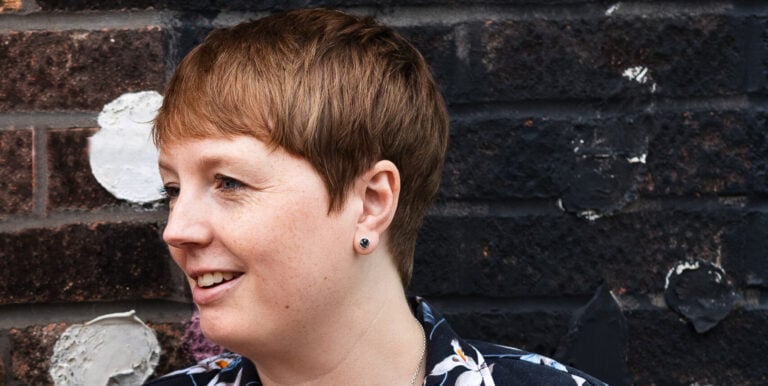
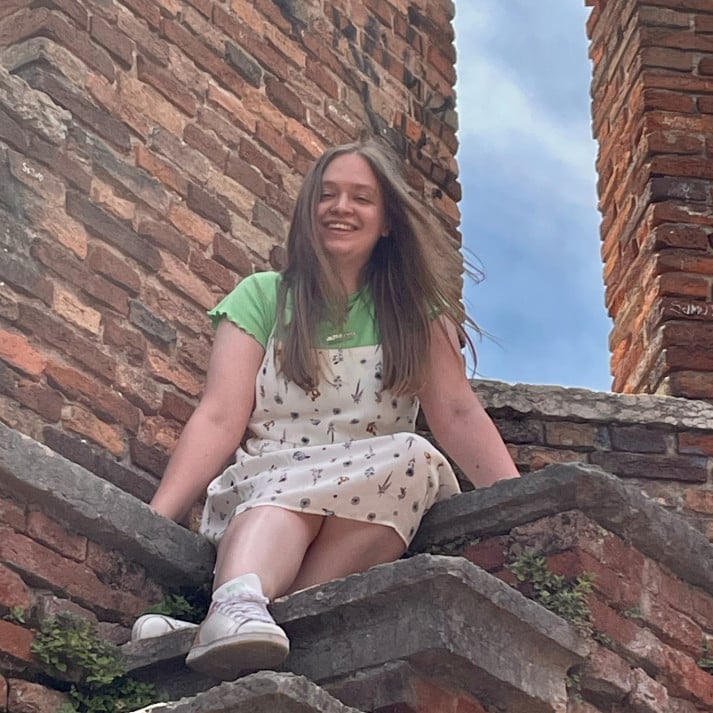
2024 Inclusive Cultures participant, Beth Ismay, reframes her understanding of ambition.
The word ‘ambitious’ scares me. It’s a word that I have often heard applied to myself in different contexts, particularly as someone who has started to grow into a leadership role at a fairly young age. Personally, the word makes me flinch – “oh she’s very ambitious, isn’t she?” – the undercurrents often feel uncomfortable.
When I searched online for a definition of the word, the first option that Cambridge Dictionary gave me was ‘having a strong wish to be successful, powerful, or rich’. This so clearly laid out where all those negative feelings around the word come from. I don’t want to be super rich, or to hold onto power that I don’t share or use to uplift. If I’m ambitious, it’s because I want to give my best to others and to see what impact this might have on the world around us.
Not totally happy with this definition, I dug out a physical dictionary from one of my bookshelves that I think has probably not been opened since I was at school… Under ambitious, that instead gave me ‘full of high aims, strongly determined’.
This definition of the word immediately started to sit more comfortably – I do have ‘high aims’, both for myself and for the people that I work with. When I meet a young person for the first time on one of our programmes, I always ask them what they want to achieve; what are you hoping to get from being here? What do you want to learn? How can we help you to achieve those goals?
For some of our young people, those dreams are tangible. They might want to be the first person in their family to be offered a place to study music at a conservatoire or to pass a new graded exam on their instrument. For others, their dreams are more personal. They might want to look at rebuilding their confidence after a challenging period in their life or to make new friends having felt isolated within a school environment.
Only certain people in this world are able to set high aims for themselves, and to then receive the support that they need in order to achieve those aims without being patronised or undermined.
As a result, my days are full of high aims. Some of them are my own, but more often than not I am pushing for what we need to make it possible for our young people to achieve theirs. One of the things that I have been reflecting on during Inclusive Cultures this year is that society often treats ambition as a privilege. Only certain people in this world are able to set high aims for themselves, and to then receive the support that they need in order to achieve those aims without being patronised or undermined. Too many are told that they are asking for too much from the world, that what they want is out of their reach.
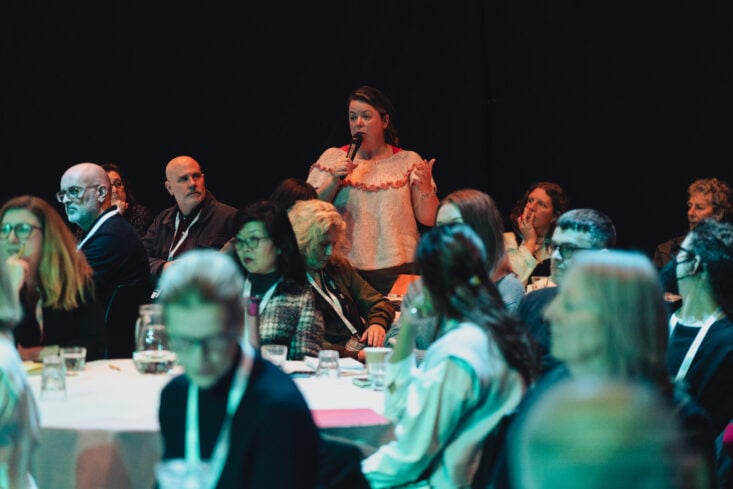
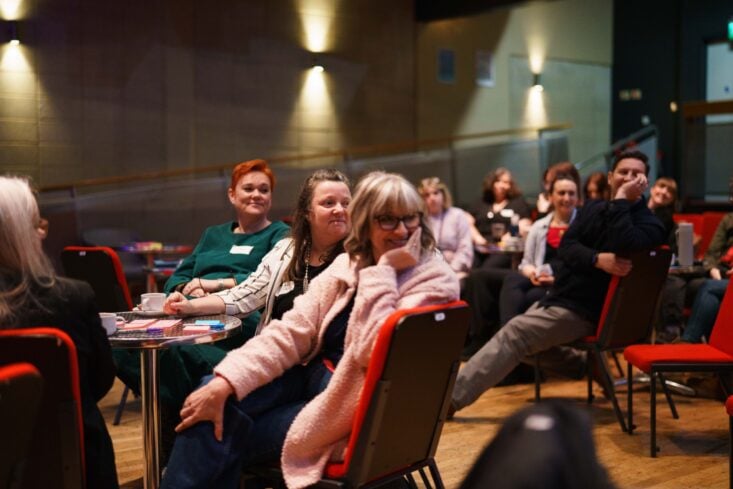
For D/deaf, disabled and neurodivergent young people in particular, how many of the times that they are told this have to do with their ability, and how many are as a result of institutional and societal failings that deny them what they need in order to achieve their best? At one of our Inclusive Cultures sessions recently, we were asked ‘what are you not going to settle for?’. This will always be my line – I never want to face a young person and tell them that they cannot be ambitious, that they do not have the right to ask for more. If an aim feels a bit too high to make in one leap, it’s my responsibility to help break it down into smaller steps that will eventually take them to where they want to go.
I have learnt that there is so much power in these small moments, in opening up this time to really listen to what someone wants to achieve and to try and understand what they need in order to get there. This, then, is my commitment as a leader; that I will always make this space to sit with our young people, to always be interested in their individual lives, hopes, and ambitions – “I just want her to be given what she needs in order to achieve her best” – I so clearly remember my dad saying these words to a teacher at one of my parents’ evenings during secondary school. I wonder what quiet revolutions might be possible if every young person had someone to ask this for them.
In this way, I want to learn how to let the idea of being ambitious sit more comfortably within myself, as well as in my interactions with others. I want to not feel uncomfortable about having high aims, or for advocating for what myself, and others, need in order to achieve our best. I want to celebrate the many brilliant, complex, layered understandings of what the word ‘best’ can mean to different people, and to value all of these definitions as equally precious and ambitious in their own ways.
Because, ultimately, who has the right to decide what is unachievable for some people? Is it not our collective responsibility to work towards removing some of these barriers to access that prevent all of us from being able to move forward together? There’s so much pain and violence woven into the fragile structures that hold up our society at the moment. If we all do the work of challenging who can or can’t reach the top, and why, where might the ripple effects of this resistance take us?
Here then, is my own ambitious redefining:
- I am ambitious because I believe that every young person has a right to reach their full potential.
- I am ambitious because I don’t want us to have to settle for things as they are; change is possible when we all identify the tangible steps that we can take towards it.
- I am ambitious because, whilst I acknowledge that we do not live in a perfect world, we all have the right to ask for better.
I am ambitious because so many people in my childhood advocated for my right to hold this word. I don’t want to carry it with shame anymore; I want to claim it in all of its messy power, and to find out what working for a world where we all have the right to do this might look like.
Themes Inclusive Leadership Practice Qualities of Leadership