Inclusive Cultures Blog: What is Imposter Syndrome for a Disabled Professional Who Feels Like a Trespasser?
2025 Inclusive Cultures participant Bee Grzegorzek explores how the concept of ‘Imposter Syndrome’ can shift the blame for structural problems onto individuals
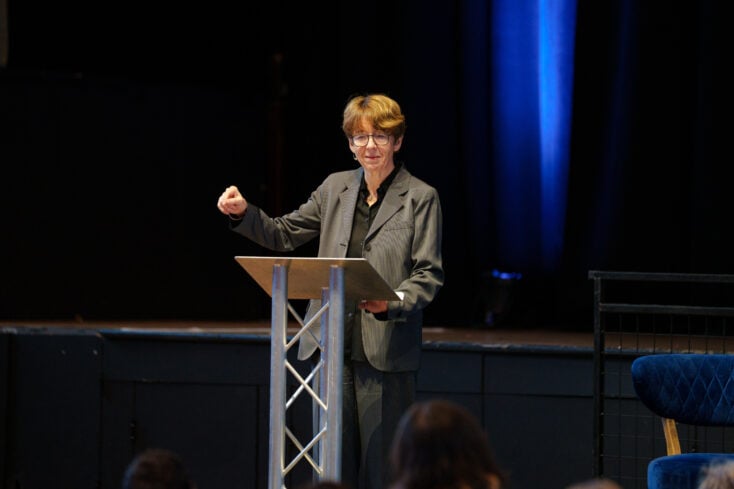
Imposter Syndrome is often described as the voice of self-doubt: the fear of being exposed as a fraud, of not really belonging in the spaces we occupy. As a disabled person and professional, I found the concept of throwing the term ‘Imposter Syndrome’ out of my vocabulary an exciting idea after Fon Browndy explored this in an Inclusive Cultures session.
Because I align my work and identity with the social model of disability, the biggest question I asked myself, was “Aren’t I an imposter all the time if the world isn’t made for me as a disabled person?” For disabled professionals, ‘Imposter Syndrome’ can manifest as more than concerns around competence alone, it can also be linked to the idea of permission. ‘Am I allowed to be here? Am I asking for too much? Would this space function more smoothly if I wasn’t in it?’ These questions don’t emerge from nowhere. They are learned responses to environments that were built without disabled people in mind.
Another question the session raised was ‘Do we really need another medicalised term to describe this discomfort?’ Labelling experiences as ‘Imposter Syndrome’ risks turning a structural problem into placing individual blame. It suggests that the issue lies within our confidence, our mindset, our resilience, rather than in systems that are designed to exclude and then blame us for noticing. When disabled people feel like imposters, it is often because we have been repeatedly told, in countless ways, that we do not belong. If we can look at Imposter Syndrome through a lens of the social model, we would again realise that the issues are with the system around us, rather than the individual. For me this thinking felt liberating.
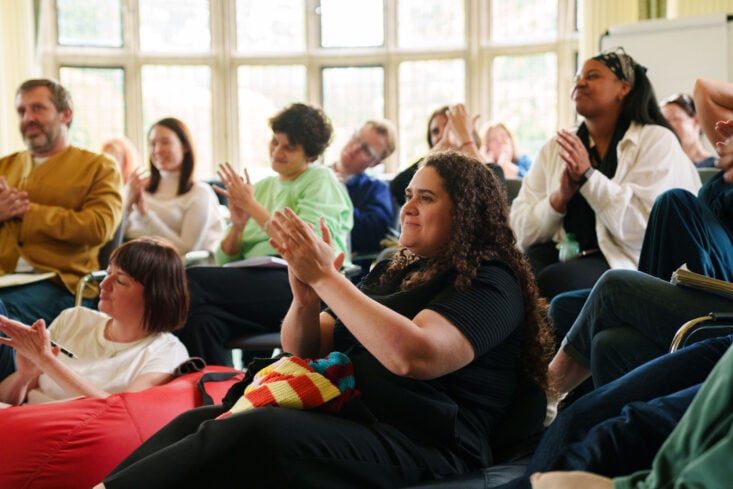
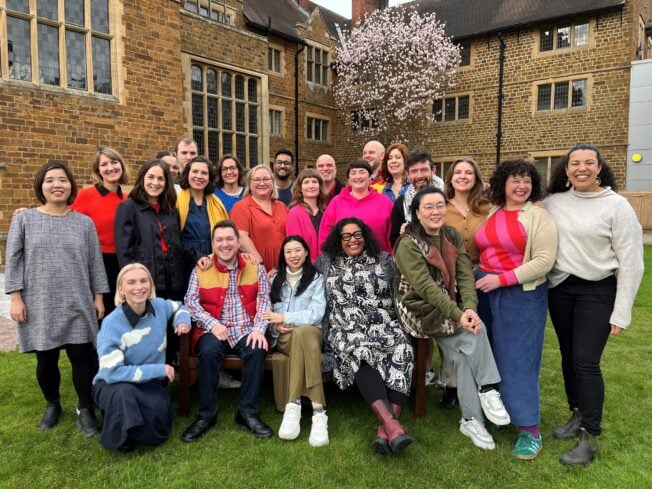
The concept of ‘trespassing’ came up in another Inclusive Cultures session, and my brain immediately connected this to ‘Imposter Syndrome’. This resonated with me as I have constantly had fears of feeling out of place or fears over taking up space where I don’t feel I should. One of the biggest breakthrough moments was realising that most participants on the course felt similarly. In these sessions, the ‘imposter voice’ in my head started to become quieter, and my confidence began to grow.
Thinking deeper about the term trespassing, I realised that for me navigating inaccessible environments also leads to a similar feeling of being out of place. This then adds to the ‘imposter’ narrative and can create a visceral reaction to taking up space or advocating for myself. The concept of taking up space can feel like an enormous task when facing barriers as well as anxieties over my skillset, knowledge or readiness for a situation.
Disabled people are often conditioned to minimise. For me, this has manifested as downplaying pain, hiding fatigue, apologising for needing support, or just softening my needs so they are easier for others to accept. Simply existing without explanation can feel like a disruption. Advocating for ourselves can feel like an imposition. And so, taking up space becomes a radical act. I am now choosing to invite and embrace the disruption. I will be working on removing the term ‘Imposter Syndrome’ from my vocabulary. I am moving forward with confidence that the right space for me is the space I exist in, and I deserve to feel comfortable to contribute and thrive as a professional and leader within the creative industry.